Old House Plumbing in Stafford Heights
Stafford Heights began as the Somerset Hills Estate, subdivided in 1950, and its housing stock is nearly all detached homes from the 1940s to the 1980s. Old house plumbing Stafford Heights wide reflects that: stumped weatherboard and brick-veneer builds, original galvanised supply, earthenware drains and gas runs installed generations ago. Stafford Heights Plumbing Services works on these homes week in, week out, and Stafford Heights homeowners can read here what age does to the pipes.
If we're late, $100 comes off your bill

- Licensed and InsuredEvery job done by a licensed plumber. QBCC No: 15024607
- Fixed Quote FirstFlat-rate pricing, agreed before any work starts
- Lifetime Labour WarrantyBacked by our Fix-It-or-It's-Free guarantee (T&Cs apply)
- $0 Call-Out FeesNo extra charge for nights, weekends or public holidays

Every job is done by a licensed plumber, and you get a fixed quote before any work starts.
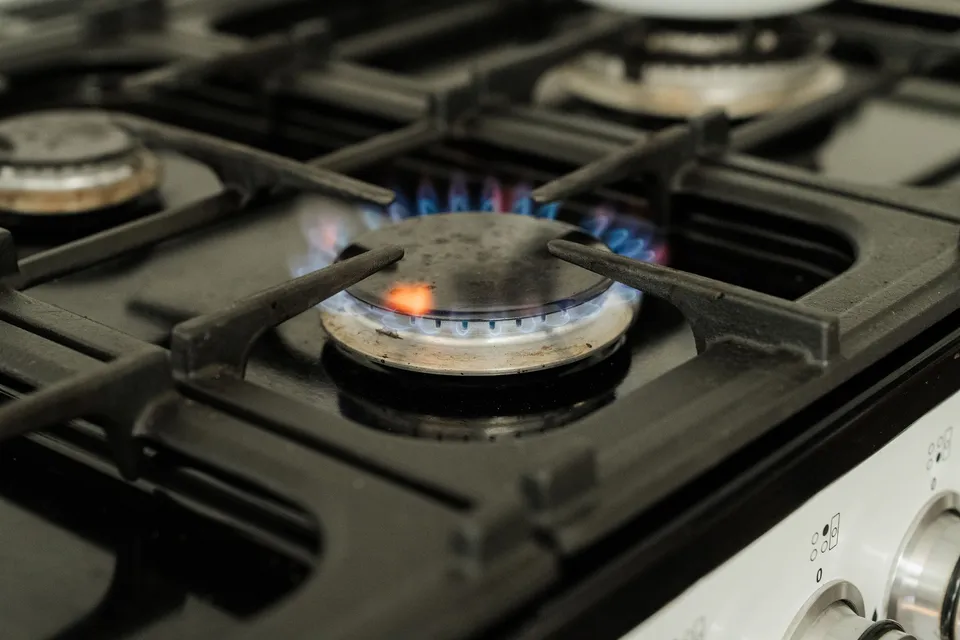
Pipes Under the Floor of a Timber Home
Under the floor is where most of it lives. A stumped house carries its supply, drain and gas pipework through the crawl space beneath the bearers, in plain view from below. A slab home is the reverse: the pipework sits buried in the concrete or hidden in wall cavities, so getting at it means cutting something open.
That crawl space makes inspection easier, and trouble shows itself without any demolition:
- soil gone soft anywhere along a run
- drips at the joints
- orange crust on the metal
- timber gone dark with moisture around the stumps
- a sour, damp smell under the house
Pinhole leaks in an old galvanised service line under a 1950s slab wet the soil quietly. The giveaway is a green strip on the lawn, or a meter still ticking over with every tap shut. If you spot any of that, our leak detection page explains how we trace it.
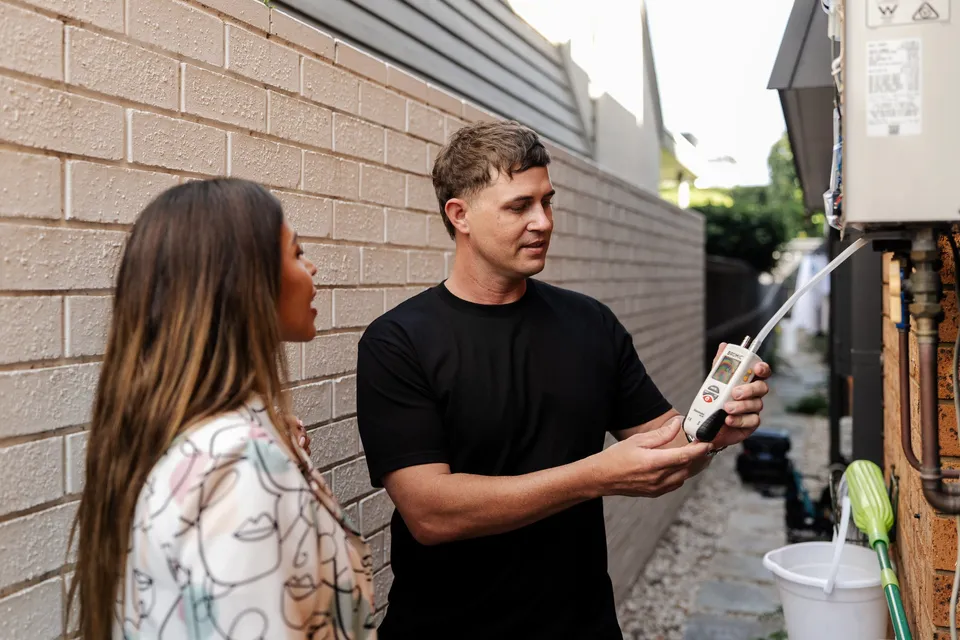
Galvanised Pipes and the Signs They Are Failing
Rusty water, weak flow and repeat leaks are the three warning signs. Galvanised pipe is zinc-coated steel, and once that coating wears through the steel rusts from within. The rust discolours the water, chokes the flow and eventually weeps at the joints.
Original 1950s supply pipe builds scale and narrows over the years, so the shower going weak is usually the first sign, ahead of any leak. The furthest outlet suffers first, because the longest run chokes worst.
Three more signs point the same way:
- rusty or brown water first thing in the morning
- flow dropping at several taps together, not just one
- the same stretch of pipe leaking again after each repair
The joints carry another age clue. Solder containing lead was still the norm on copper and brass up to 1989, so the water service in a home of this era is worth a proper look. A plumber verifies what the house actually runs, and if replacement is on the cards we quote it as repiping work.

Before You Open Up the Walls of an Old House
Notifiable work is the category most of it falls under. Queensland's Regulation calls a building existing once it has both a drain and a live supply connected, and nearly all plumbing in such a building is notifiable. Your licensed plumber handles it with no council permit and no mandatory inspection, then registers a Form 4 with the QBCC and hands you a copy.
A few triggers change the category or add conditions:
Combined services
where the building sits on a shared sanitary drain or draws a dual reticulated supply, the job turns into permit work and the plumber seeks council approval first.
Temperature control
each new or replacement water heater takes a temperature control device that caps tap water at 50°C, and fitting or swapping that device is notifiable as well.
Hygiene fixtures
a new shower or similar personal-hygiene fixture pulls the temperature rule in with it, while a plain washer change or a shower head swap stays outside the rule.
Asbestos
most houses built before 1990 contain some asbestos, so a reno on one calls for extra care and can add cost.
One detail worth knowing before you buy or renovate: a plumbing permit stays with the premises it covers, binding the owner, whoever buys next and any occupier. Paperwork from decades back can still apply to you today.
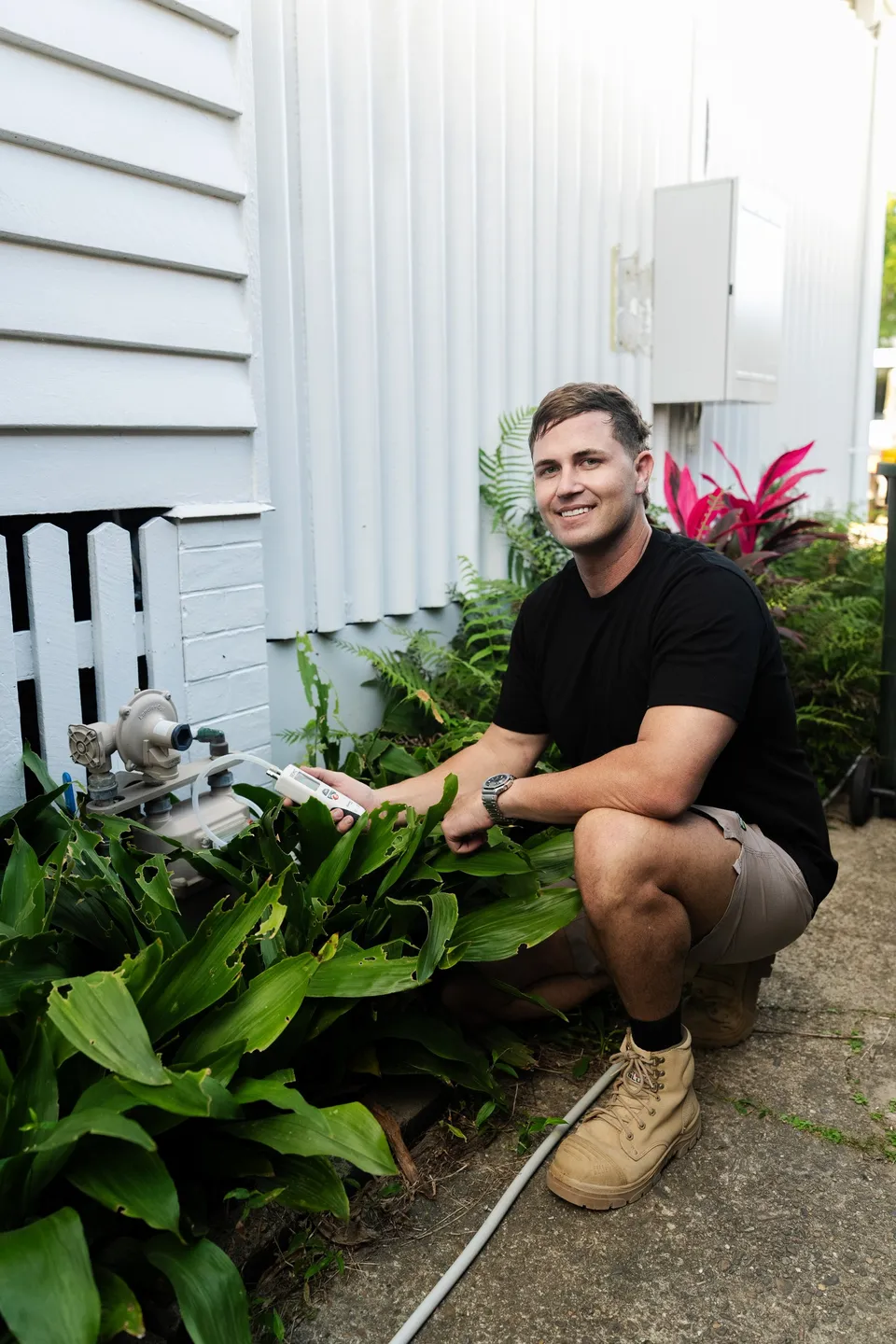
Old Gas Fittings and Who May Touch Them
Only a licensed gasfitter may touch them. Queensland gives every part of gas work, from installs and alterations through repairs, servicing, testing and certification, to licensed gasfitters only. That includes the old copper runs under a stumped floor.
Queensland Government guidance asks owners to look over their gas system now and then for rust, wear or damage, and to keep anything flammable away from appliances. Two more rules protect you:
- Under Queensland's gas rules, a gas worker who spots a safety problem on a job has to hand the owner a defect notice, except where the fault gets fixed then and there.
- If you smell gas: turn the appliance off, air the house out, and leave switches and power points alone. Smell lingering? Cut the supply at the meter or the bottle and ring us, or 000 if the smell hangs around.
Never try to find a gas leak yourself. Our emergency plumber page covers what counts as urgent, and gas compliance paperwork is handled as part of the gas work itself.
How a Visit Runs
- 1

Describe the problem
Phone (07) 3523 6417 or fill in the form with what you're seeing in Stafford Heights. The more we know, the better we can prepare.
- 2

We look under the house
For older homes the visit starts below the floor. We walk the under-house runs, check the supply from the meter, look for rust and damp timber, and note what each line is made from before quoting anything.
- 3
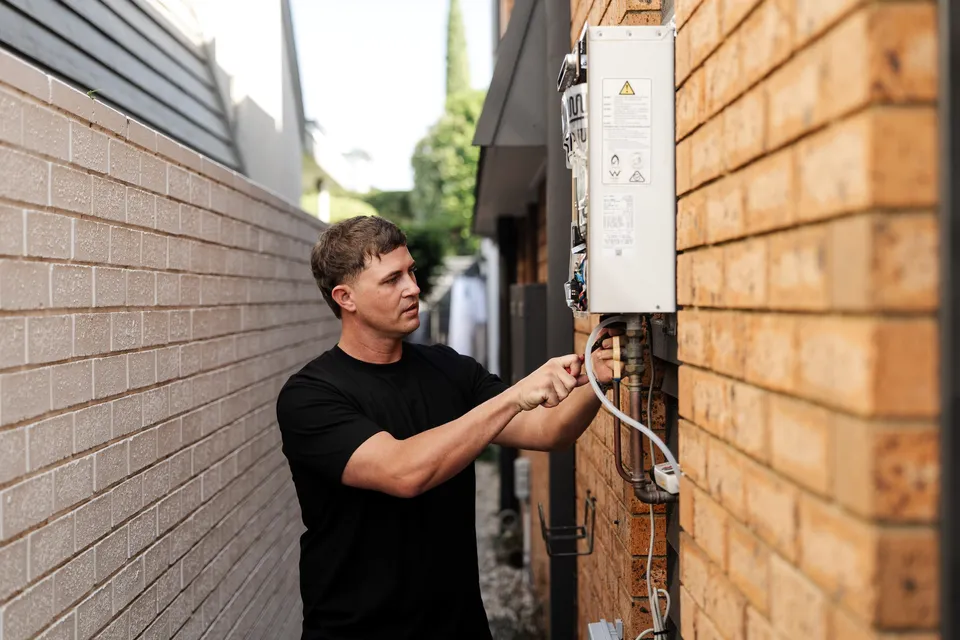
Agree on the price
A fixed quote comes before any work starts: flat-rate pricing, no hidden fees, and your go-ahead first.
- 4

Pay on completion
Card or EFTPOS on site when everything's working, or ask us about Fix now, pay later.
Plumbing job in Stafford Heights?
$0 call-out fees, available 24/7, and same-day where we can.
Older Home Questions From Stafford Heights
Call (07) 3523 6417Where are the pipes in a Queenslander on stumps?
In the crawl space under the floor. A stumped Queenslander hangs its water, drain and gas runs beneath the bearers, where a person can look up and see them. A slab home tucks most of it inside the concrete or the walls.
How do I tell if my home has galvanised pipes?
Look for the signs, then have it confirmed. Plenty of the 1950s and 1960s builds here still run original galvanised supply that has narrowed with rust. A plumber verifies what your house runs during a visit, because sections get replaced over the years.
Why is my water brown in my older Stafford Heights home?
Rusty or brown water is the classic sign of steel pipe corroding internally. Other faults can discolour water too, so the cause gets verified on site. Where the pipe is at fault, replacement is the fix.
Does a renovation need a plumbing permit?
No, not in most cases. Plumbing in a building that already stands is notifiable work: no council permit, and a Form 4 goes to the QBCC after the job. A permit is only needed where the property shares its sanitary drain with another home or runs on a dual reticulated supply.
Can I check what plumbing work was done on my Stafford Heights house before?
Yes, in two ways. You can search your street address in the QBCC's database of notifiable work, and you can request the Form 4 paperwork for the property. Older permits stay with the premises and bind whoever owns it now.

Call Us About Your Older HomeWe'll call you back.
Phone (07) 3523 6417 for a licensed plumber in Stafford Heights. We work under QBCC No: 15024607, with flat-rate pricing, no hidden fees and same-day where we can.
To claim your $0 call-out fee, call (07) 3523 6417 today.