Why Your Toilet Keeps Running
Three cistern faults explain a loo that runs on its own: a fill valve that never shuts off, a worn outlet seal, or a water level set past the overflow. If the toilet keeps running, the noise usually names the culprit. This guide walks Stafford Heights households through the signs, a simple colour test, and the line between owner work and licensed work.
If we're late, $100 comes off your bill

- Licensed and InsuredEvery job done by a licensed plumber. QBCC No: 15024607
- Fixed Quote FirstFlat-rate pricing, agreed before any work starts
- Lifetime Labour WarrantyBacked by our Fix-It-or-It's-Free guarantee (T&Cs apply)
- $0 Call-Out FeesNo extra charge for nights, weekends or public holidays
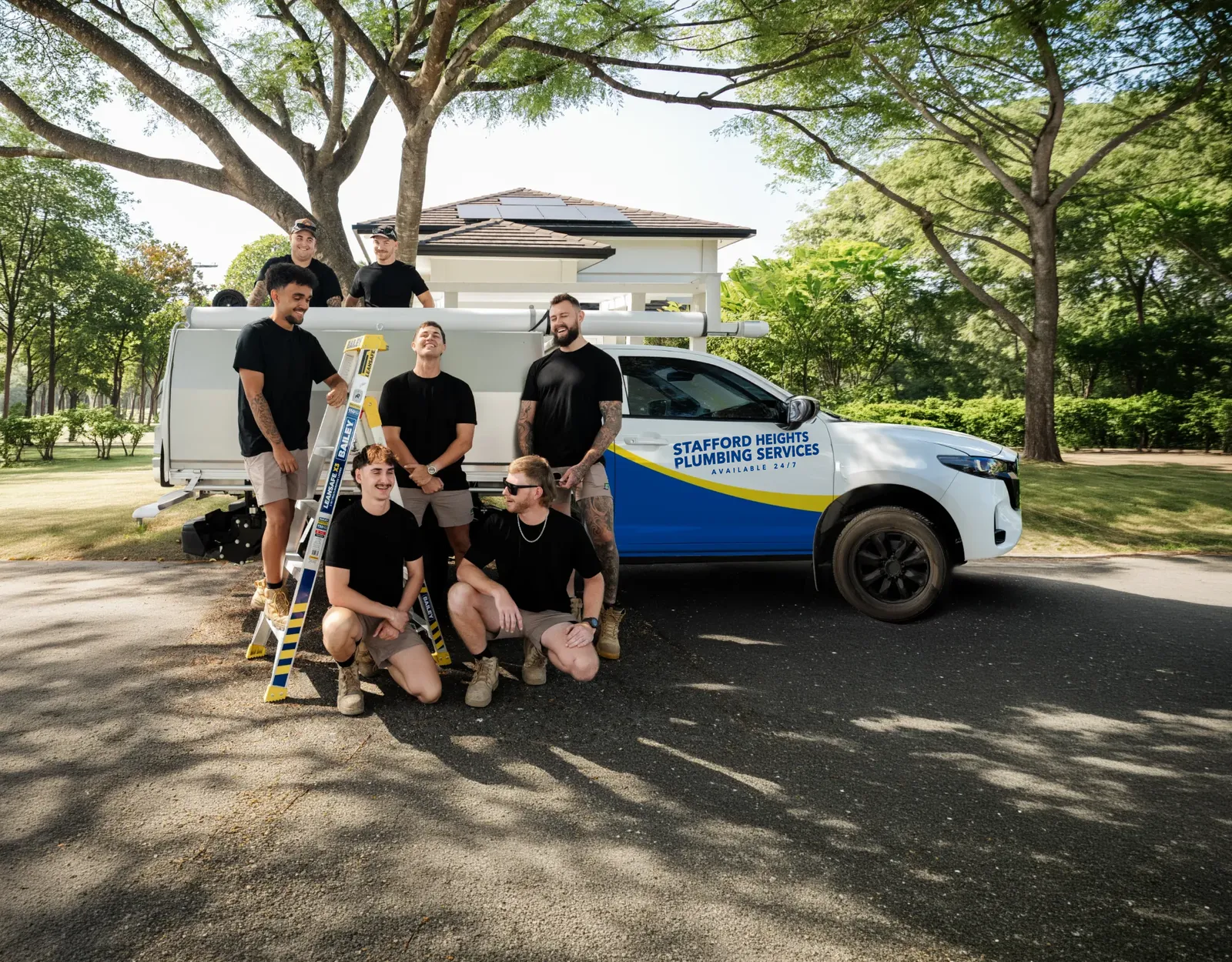
Stafford Heights Plumbing Services wrote it for the suburb's 1940s to 1980s housing, where many bathrooms are on their second or third cistern. Every job is done by a licensed plumber, and you get a fixed quote before any work starts.
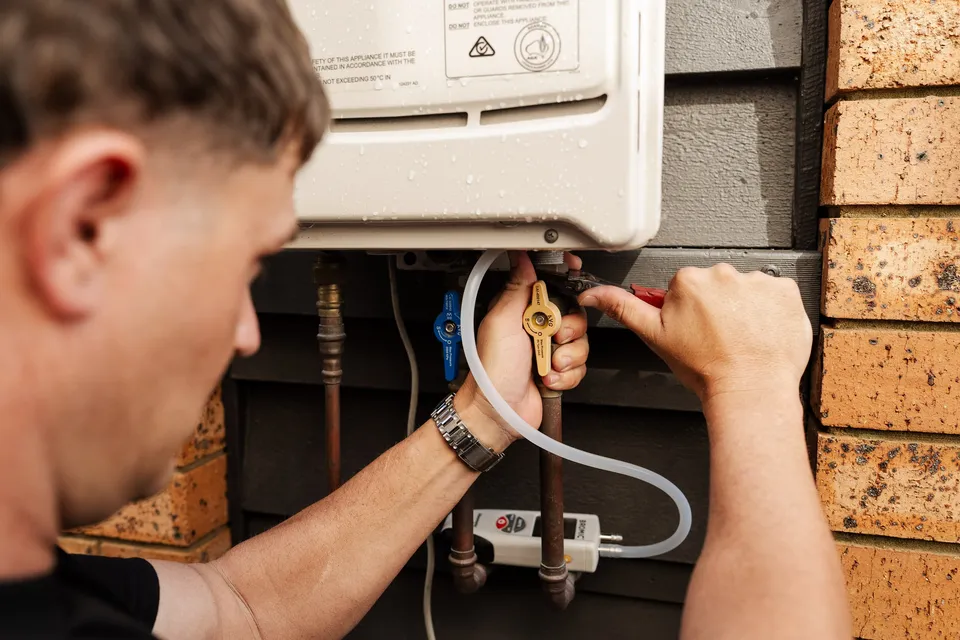
Inlet Valve, Flush Valve Seal and Overflow Explained
The three culprits are an inlet valve that cannot close, a perished flush valve seal letting water past, and a water level high enough to run out through the overflow.
The inlet valve
After each flush the inlet valve refills the tank, then shuts off once the float hits the fill line. A valve worn or gummed up fills slowly or never stops, and you will hear hissing or a trickle that carries on once the tank has filled.
The flush valve seal
This seal holds the tank's water between flushes. Once the rubber perishes, water slips past into the bowl, so the inlet valve keeps topping up and the loo runs in short bursts with nobody near the button.
The overflow
The overflow works as a safety outlet, carrying excess water away rather than onto the floor. When the inlet valve fails to shut or the float sits high, the level climbs and water runs out through the overflow, sometimes as a dripping pipe outside.
Slow, Partial or No Refill After a Flush
A slow, partial or missing refill usually means a stop tap only partly open, a float set below the fill line, or an inlet valve clogged with debris. Try the stop tap first, because someone nudging that tap half shut copies a valve fault perfectly. A float sitting low stops the tank short of the mark, and the flush comes out weak.
When water runs and runs yet the tank never fills, the outlet seal is dumping water about as quickly as the supply arrives. The tank cannot win that race, and the bowl trickles the whole time.
Plenty of Stafford Heights houses from the 1950s still draw through galvanised pipe that rust has narrowed, and a cistern often sits at the far end of the run. A slow refill can therefore be the supply line rather than the valve.
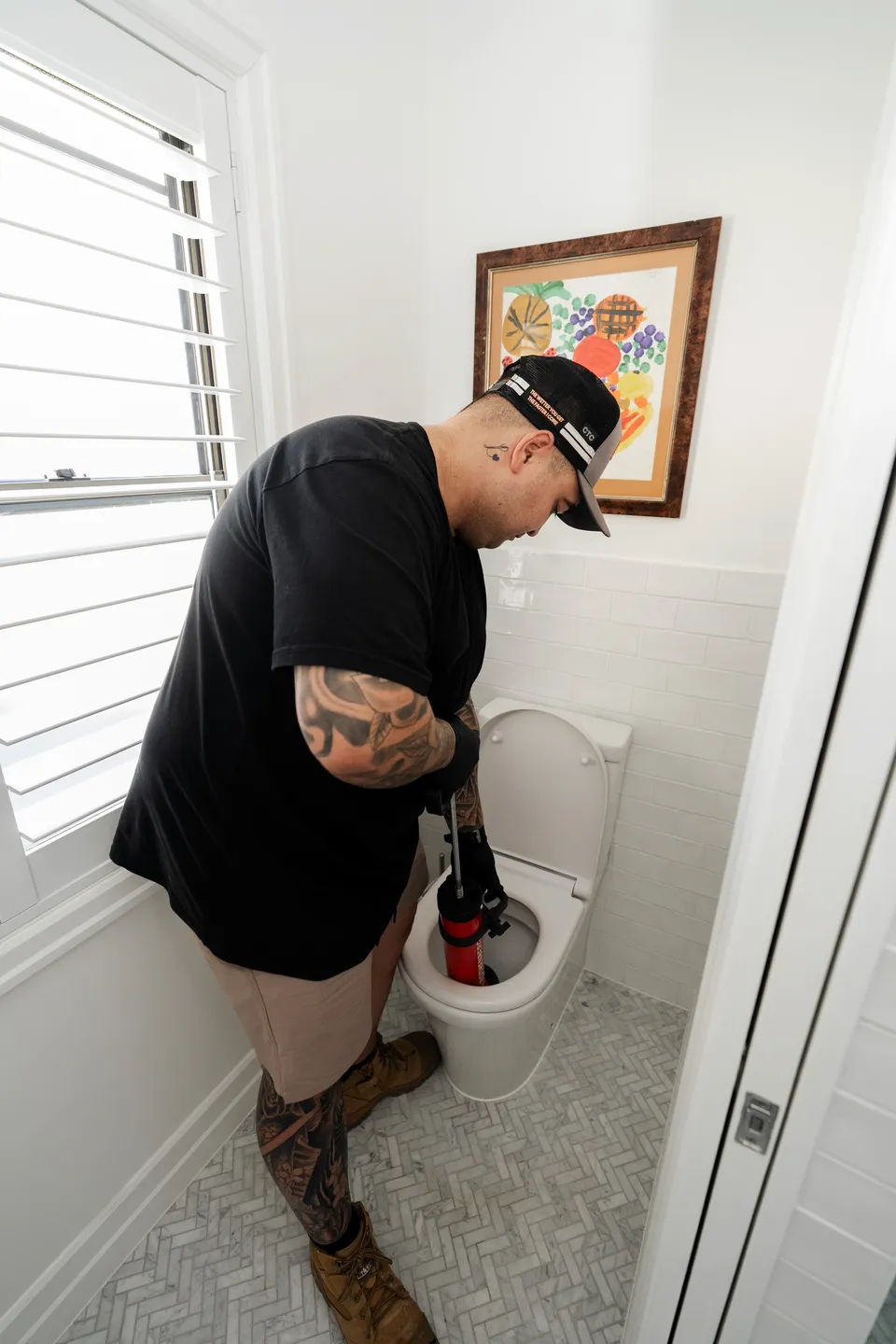
Where Home Owner Toilet Repairs Stop
Three cistern parts sit outside Queensland's licensing rules, per the QBCC: the suction cup rubber, the drop valve washer and the float valve's washer. A home owner with the right know-how may lawfully swap those three, though the finished job still has to satisfy the standards.
Every other toilet repair belongs to a QBCC licensee: Queensland calls it minor work, so a permit is not needed and neither is a Form 4. That covers the inlet valve, the flush valve assembly, the button, the pan connection and anything past the dye check below.
Rentals run on their own rules. Queensland tenancy law makes the owner or manager responsible for the rental staying in good repair; the tenant has to report faults as soon as possible.
Check for a Silent Leak With Food Colouring
Run the colour test like this:
- Add a dash of food colouring to the tank water.
- Leave the loo unflushed and wait.
- Colour creeping into the bowl means tank water is slipping past the outlet seal.
- Flush once the test is done; porcelain will not hold the stain.
No colour in the bowl? The outlet seal is sound, and the inlet valve and fill height come next.
Out of food colouring? Stafford City and Chermside shopping centres sit close by, or run the paper check: lay a dry sheet of toilet tissue at the rear of the bowl, higher than the waterline. The tissue should stay dry unless water is trickling down the rear of the pan.
Does the Water Utility Cover a Running Toilet
No, Urban Utilities' concealed leak adjustment does not cover water wasted by a running cistern. The scheme exists for concealed leaks, and cisterns share the exclusions with leaking taps and hot water systems.
Urban Utilities looks after the public mains and sewer, while pipes on the property side belong to the owner. The owner wears the losses too, so a cistern that quietly runs all week lands on your water bill with no softening from the utility.

When to Call a Plumber
Ring a licensed plumber when colour shows in the bowl, when the hiss continues after the tank fills, or when water runs out of the overflow. A slowed refill in an older home deserves the same call, because the fault can sit in the galvanised supply rather than the cistern.
Our toilet repairs team handles all of it, with flat-rate pricing and no hidden fees.
Toilet Questions From Stafford Heights
Call (07) 3523 6417How do I test my cistern for a silent leak?
Drip some food colouring into the tank and hold off on flushing. Colour reaching the bowl means the outlet seal is leaking. Flush when you're done; the porcelain will not stain.
Can I fix a running toilet myself in Stafford Heights?
Yes, but only for the three cistern washers and rubbers the QBCC exempts from licensing, and the result has to comply. Everything else on a toilet is a job for a licensed plumber.
Will Urban Utilities cover a running toilet in Stafford Heights?
No, the utility's concealed leak adjustment leaves out water wasted by a leaking cistern. The owner, not the utility, wears the loss for leaks on the property side.
Who fixes a running toilet in a Stafford Heights rental?
The owner or manager, who Queensland tenancy law requires to keep the rental in good repair; the tenant reports the fault as soon as possible. A running cistern counts as routine, fixed in a reasonable timeframe. The emergency list covers a broken or blocked toilet.

Call Us About Your Running ToiletWe'll call you back.
Phone (07) 3523 6417 for a licensed plumber in Stafford Heights. We work under QBCC No: 15024607, with flat-rate pricing, no hidden fees and same-day where we can.
To claim your $0 call-out fee, call (07) 3523 6417 today.